
Find A Local Parent Group Near You. Coffee, Conversation And A Friendly Space With Others Who Are Navigating Parenthood
A relaxed place to meet other parents, have a chat and take a breather from the day-to-day of early parenthood. Some days feel long.
Some days feel lonely. Some days you just want adult conversation. You may want a change of scenery, a proper conversation, or to be around other parents who get it. That’s what these groups are for. No pressure. No expectations. Just a welcoming space for you.
Find a friendly support group near you
Enter your postcode below to find the groups nearest to you.


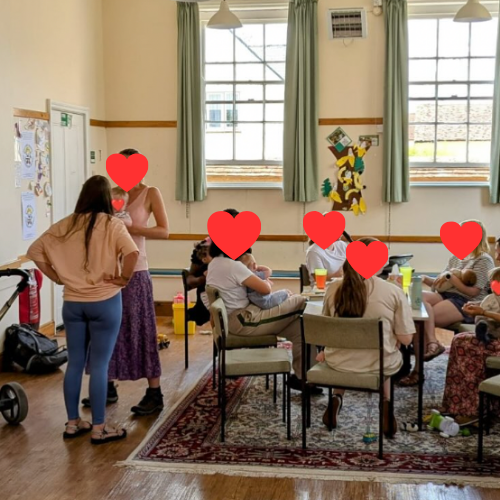

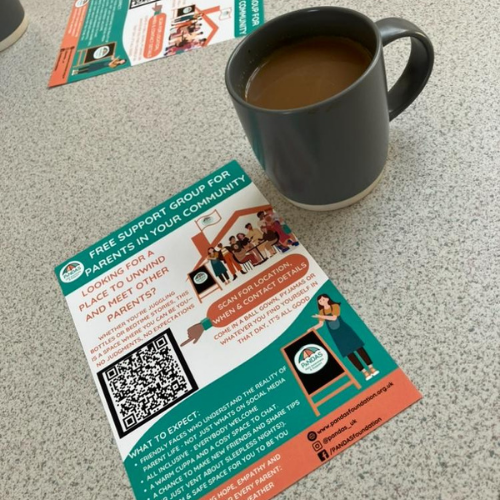
Everyone is welcome. What to expect when you come along
-
A warm welcome (even if you feel nervous)
- Someone to meet you at the door
-
A hot drink and a comfortable space
-
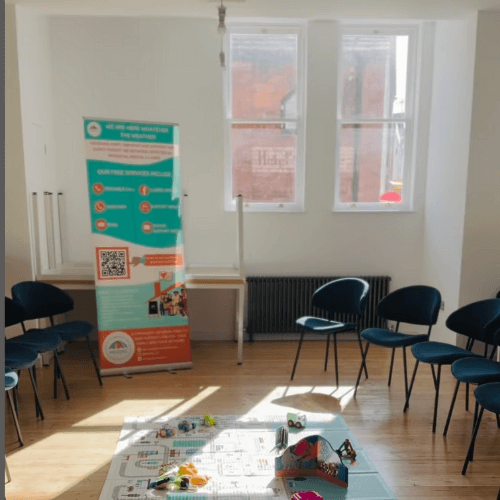
Relaxed, natural conversation, as your children play
-
No pressure to talk or explain anything
-
Other parents who understand the ups and downs
You are more than welcome to bring a friend with you, should you wish
Every group is a little different
Coffee & Conversation meet-ups
Simple, relaxed chats with other parents
Baby-friendly groups
Come along with your little one; no childcare needed
Dads’ groups & shared activities
From walks to hobbies like beekeeping
Outdoor or wellbeing-based meet-ups
Fresh air, gentle movement, and connection
“So grateful to have a local PANDAS group, I look forward to attending each month, knowing I can share my feelings with no judgment. No one warns you about how you might feel when you have your baby, but it’s like there is a secret club out there of people who just get it as they feel the same”
“Despite having my friends and family around me, I have never felt lonelier since my son arrived. I felt I couldn’t tell anyone how I was actually feeling, and I was so guilty and ashamed. Now I have a group of friends who understand, who have gone through the same things, and the power of this support has got me through some dark times”
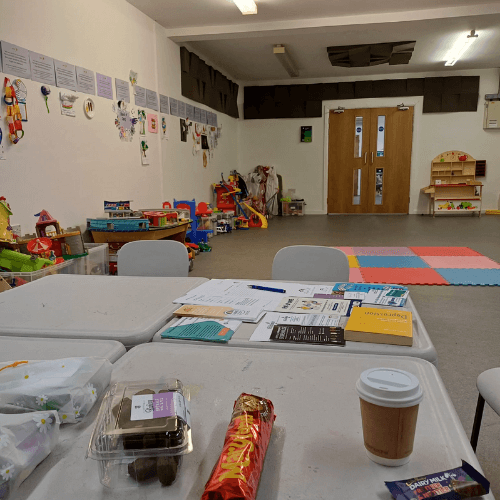
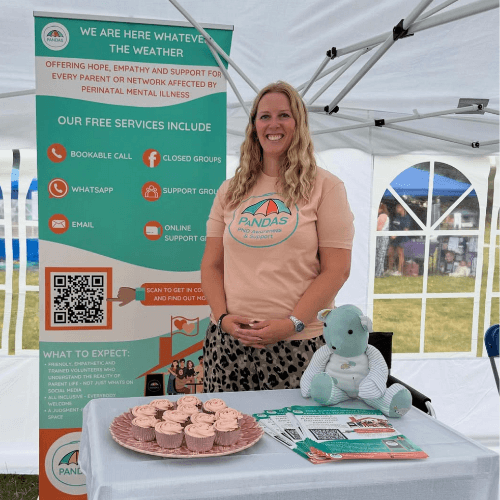
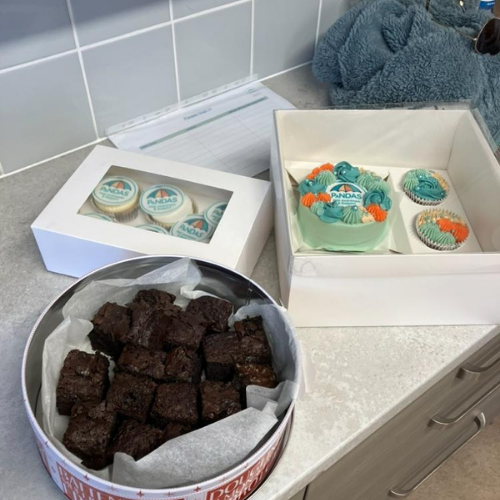
What A PANDAS Group Is
- Peer-to-peer support from trained volunteers who get it.
- A listening environment focused on understanding, not advising.
- Opportunity to feel less isolated, whether sharing or just listening.
- Inclusive to all and a place to be yourself
- Emotional support for all, regardless of diagnosis or feelings.
- A stepping stone for those considering further support.
What A PANDAS Group Isn’t
- Not therapy or counselling
- Not a crisis or emergency mental health service
- Not for clinical advice or diagnosis
- Not a formal childcare or supervised activity space
- Not a universal solution, but it may facilitate the next step
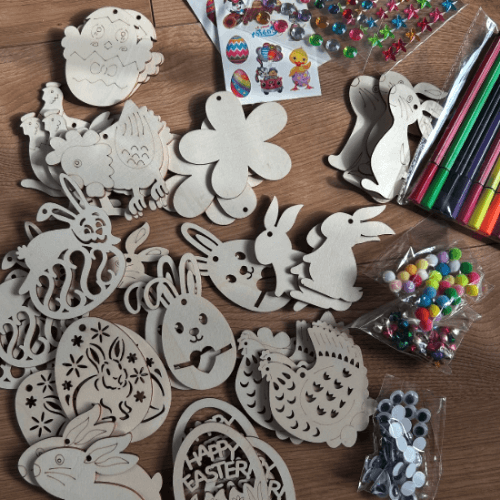

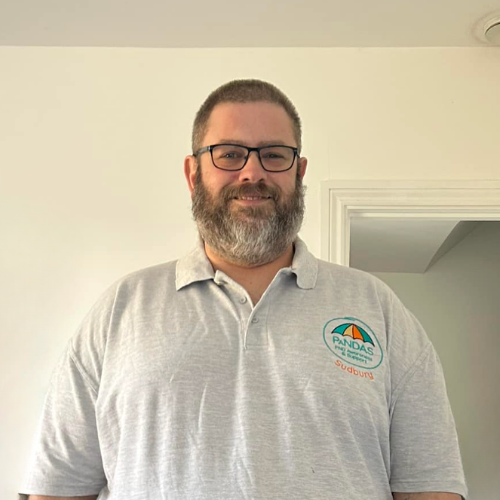
Before You Come to a PANDAS Group
1. What actually happens at a PANDAS group?
Each group is a relaxed, friendly space run by trained volunteers. Parents chat, share, or simply sit and listen over a cup of tea. There’s no set agenda and no pressure to talk. It’s about connection, understanding, and being around people who get it.
2. Do I need to have a diagnosis or be really struggling to come?
Not at all. Many parents or carers come because they feel lonely, overwhelmed, or “not quite themselves.” You don’t have to be “ill enough”; if you’re finding early parenthood harder than you expected, you’re not alone, and you are welcome.
3. Is it therapy or counselling?
No, our groups aren’t clinical sessions. They’re peer-to-peer spaces led by volunteers with lived or learned experience of perinatal mental health. We listen, support, and share information about where to get further help if you want it.
4. Can I bring my baby?
Yes, absolutely, unless stated on the group’s webpage. Babies and young children are welcome in most groups, and no one minds if you need to feed, rock, or walk around. Every parent in the room understands.
5. What if I feel too anxious to come alone?
That’s completely normal. You can bring a friend, partner, or family member for support, or contact your local group leader beforehand so they can look out for you when you arrive.
6. How long do groups last, and how often do they run?
Most groups meet once a month for about 1–2 hours. Some meet more often; each listing will show the time and place so you can choose what works for you.
7. Is it confidential?
Yes. Everything shared in the group stays within the group, unless a facilitator is concerned about someone’s immediate safety. Your privacy and emotional safety are always respected.
8. Do I have to book, or can I just turn up
No, all our groups are drop-in.
9. Do I have to pay
No, all our groups are free
10. What if I come once and decide it’s not for me?
That’s completely fine. There’s no commitment. Some parents come regularly, others drop in when they need a boost. You’re always welcome back.
11. What if there isn’t a group near me?
You can join our other support options or, if you’d like to bring PANDAS to your area, learn about starting your own group. We’ll guide you every step of the way.

Specialist care
Mother and Baby Units exist to provide specialist care and treatment for mothers with their babies when they are suffering with mental illness. These units provide inpatient assessment and treatment for mothers and babies, enabling mothers to receive treatment they need without separating them from their new babies. This helps support attachment and vital bonding, as well as ensuring unwell mothers are fully supported.
If you need urgent help….
If you need urgent help or are worried about a loved one, call the Samaritans on 116 123 or the emergency services on 999.
Other ways we can support you
How you can help us


